borderless participation ]

Visas, visits, volunteering, work trade, and working across borders

This public guide helps people and cooperatives ask the right questions before anyone travels or works. It separates immigration permission, employment, cooperative ownership, housing, tax, and insurance. It does not issue visas or decide whether a person may work.

checked September 15, 2026general information, not legal advice
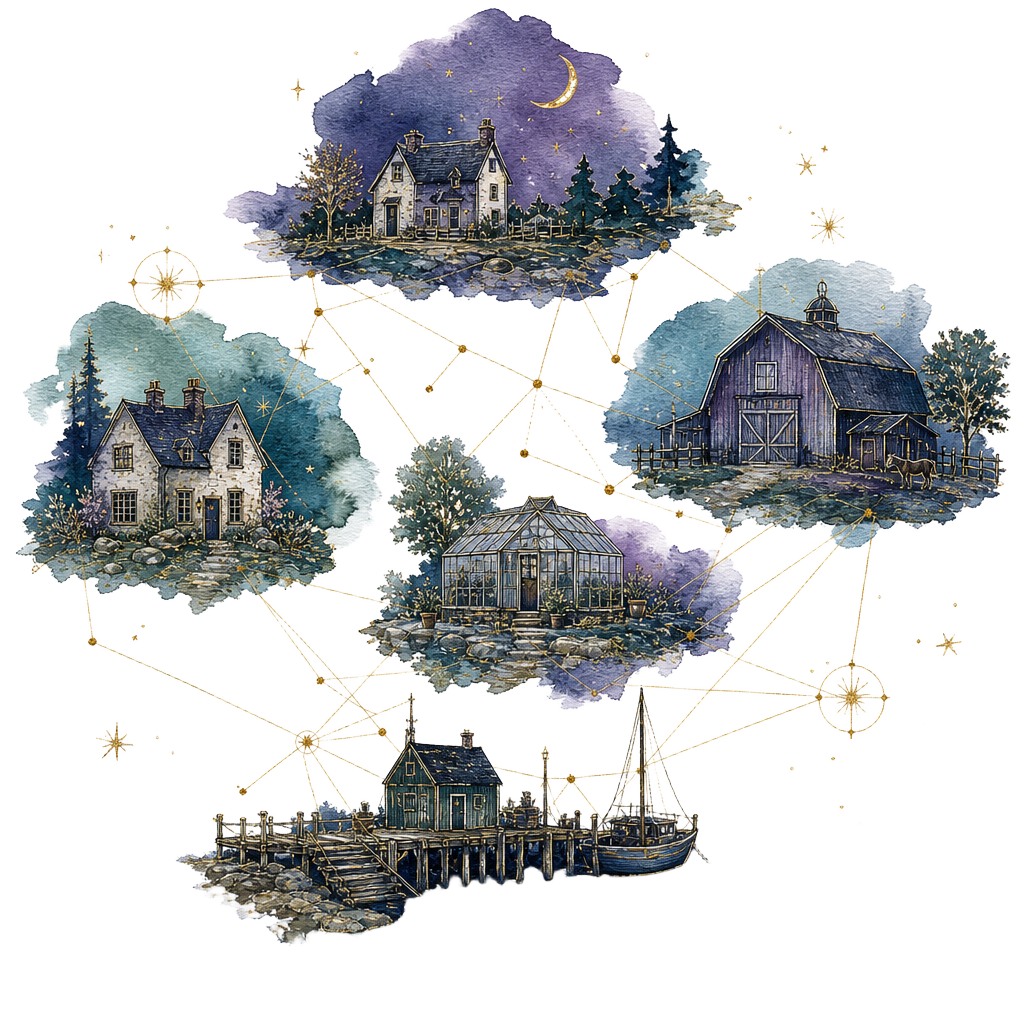
Watercolor network connecting homes and harbors across regions

why borderless ]

Build bridges across systems without pretending those systems are gone

Compass Commons is borderless on purpose. A useful land plan, cooperative structure, care practice, or teaching model should travel between places and improve as people adapt it. For now, people still cross legal jurisdictions, so this guide names the permissions and obligations that must be checked while the wider commons builds better ways to cooperate across those lines.

six separate knots ]

Untangle these before anybody packs a bag

Permission to enter and do the activity

A visitor status, cooperative membership, or invitation from a host does not itself authorize work. In the United States, food or housing exchanged for labor can still be treated as employment.

USCIS: Unauthorized Employment

Worker, volunteer, or something else

The label is not decisive. For-profit businesses cannot use the federal volunteer exception, and commercial activity inside a nonprofit may still be covered by wage law.

U.S. Department of Labor: Volunteers

Pay, tax, and classification

Control, finances, and the actual relationship help determine whether someone is an employee or an independent contractor. A written agreement does not settle the question by itself.

IRS Topic 762

Housing and insurance

Write down who provides housing, what happens if participation ends, which insurance applies, and whether lodging is compensation. These questions are separate from immigration permission.

California HCD: Employee Housing
A tourist or visitor cannot assume unpaid work is permitted. Food, lodging, or another benefit exchanged for labor may count as employment. A co-op membership card does not create work authorization or a right to reside.

west coast first ]

Federal floor, state rules, local ground

California ]

Check California wage orders and Labor Commissioner guidance before treating any recurring service as volunteer work. Housing supplied to workers can also fall under the Employee Housing Act.

Humboldt County ]

There is no separate local visa. Federal immigration and state labor rules still apply. Before offering lodging, retreats, farm work, or hosted stays, ask County Planning which land-use and permit rules fit the parcel and activity.

Oregon ]

Use Oregon Bureau of Labor and Industries guidance to test whether a role is truly volunteer service or employment. Do not assume room and board removes wage obligations.

Washington ]

Washington Labor and Industries distinguishes volunteers and interns from employees. Review the actual duties, benefit, supervision, and compensation before a placement begins.

We found no separate Humboldt County immigration or work-trade category. That absence is not permission. Federal immigration, California labor and housing rules, and parcel-specific county requirements must be checked together.

a system we want to build ]

A resident-led model for regenerative travel

draft idea, not a current travel program

For places under intense visitor pressure, including islands such as Hawaiʻi, access should not begin with what a traveler wants. It should begin with what Native Hawaiian people, local residents, workers, and the land say they can hold.

The model Jules wants Compass Commons to develop would let a place set its own visitor limits, seasons, frequency, and forms of welcome. A visit could include a fair, locally chosen contribution to restoration or community work, alongside protected time for genuine rest, learning, and enjoyment. Giving back would never buy entitlement to land, culture, people, or knowledge.

  1. 01

    The place sets the terms

    Native and resident leadership decides whether visitors are welcome, how many can come, how often they may return, and what should remain closed.

  2. 02

    Contribution is useful and fair

    Local partners name work that is actually wanted. It must not replace paid local jobs, disguise employment, or rely on unsafe or coercive labor.

  3. 03

    Rest remains real

    A contribution must not consume the trip. Visitors receive clearly protected time to rest and experience the place without turning every hour into a transaction.

  4. 04

    Reciprocity is accountable

    Money, labor, and other support flow to priorities chosen locally, with a visible record of who benefited and what the visit cost the place.

  5. 05

    Reverence has boundaries

    Travelers follow cultural, ecological, water, housing, access, and photography boundaries without treating welcome as ownership or unrestricted access.

Work trade is not a shortcut around immigration or labor law. Food, lodging, access, or vacation time exchanged for work may still be compensation. Any real pilot would require place-specific review, worker protections, insurance, and direct consent from the host community before invitations are offered.

before arrival ]

A reusable checkpoint for every place and crew

  1. 01Name the real activity: visit, observation, volunteer service, work trade, paid work, cooperative work, or residency.
  2. 02Confirm immigration or work authorization for that exact activity. Never infer it from nationality, membership, or enthusiasm.
  3. 03Check federal and state worker classification and wage rules, including anything given in kind.
  4. 04Write down lodging terms, insurance, safety supervision, transportation, and what happens if the arrangement ends.
  5. 05Check the parcel, zoning, occupancy, food, farm, retreat, and business permissions that apply locally.
  6. 06Record the official sources used, the date checked, and the qualified adviser responsible for unresolved questions.

Outside the United States, use that destination country’s own official immigration, wage, tax, social-insurance, and housing sources. We will not publish a country pathway until those sources have been reviewed.